

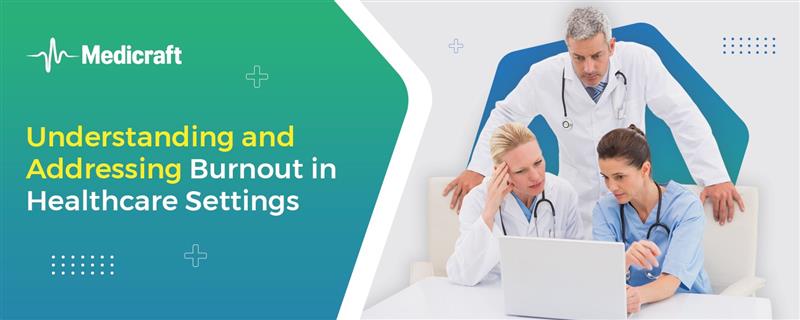
Healthcare work has always been demanding, but over the last few years, the pressure has changed, and burnout in healthcare workers is not limited to doctors or nurses. It shows up at the front desk, in billing departments, in labs, and in back offices where people are quietly carrying the weight of the practice.
Most healthcare workers don’t talk about burnouts right away. They keep going, try to adjust, stay late, and continue to tell themselves it’s just a busy season. Over time, the exhaustion stops feeling temporary and starts to look permanent.
What Burnout Really Looks Like in Healthcare?
Burnout in healthcare is not just feeling tired after a long shift. It shows up in subtle ways at first. For example, a nurse may feel emotionally numb, physicians may start dreading patient interactions, and front-office staff may feel overwhelmed by constant insurance follow-ups and constant phone calls.
Over time, this turns into chronic fatigue, frustration, and disengagement, which makes them begin to feel empty, with no chance to catch up. When burnout goes unaddressed, it often leads to higher turnover, absenteeism, and mistakes that impact patient safety.
Why Healthcare Workers Are Often Vulnerable to Burnout?
Healthcare is different from most industries. The stakes are higher, decisions matter more, and the emotional weight can be heavy.
Healthcare providers are also expected to respond very fast to their patients while working tirelessly, and administrative staff are required to ensure documentation is correct and follow the required guidelines.
Practice also experiences constant staff shortages and growing patient demands, which makes the available staff work overtime, which leads to burnout.
The Causes of Burnout in Healthcare Workers
Administrative Burden
For many healthcare professionals, the hardest part of the day isn’t patient care, but everything that comes after. The team has to handle patient documentation, coding, claim submission, and follow-ups, which take time and mental energy.
Emotional Strain
Healthcare workers carry emotional weight that rarely gets acknowledged. They listen to fear, pain, and uncertainty every day while supporting patients through difficult moments.
Over time, this leads to emotional exhaustion. Some can even start to feel guilty for being less patient than they used to be or doubt whether they are still making a difference.
Pressure to Get it Right
Healthcare is different from other industries as every decision affects real lives. Also, there are hefty consequences of making mistakes, and expectations are high, even when resources are limited. Patients also expect faster care and clearer answers while insurance companies keep changing their rules.
This makes many healthcare workers feel caught between wanting to do the right thing and not having enough time or support to do it properly.
How to Reduce Burnout in the Healthcare Industry?
Reduce Administrative Burden
One of the biggest mistakes organizations make is focusing on wellness programs while ignoring workload. Creating a yoga session doesn’t stop your staff from drowning in work and sending them emails about the importance of rest will not help if their schedules are unrealistic.
One of the best ways to reduce their burnout is by reevaluating your workflow. When the workload exceeds what people can reasonably handle for long periods of time, it automatically leads to burnout.
Invest in Medical Billing Software
A lot of burnouts doesn’t come from patient care, but from paperwork such as patient documentation, billing, insurance follow-ups, and repeated data entry.
Running everything manually in practice leads to burnout and sometimes human error. The right billing software handles all repetitive tasks, reducing the workload of your staff. It also ensures claims are accurate and submitted on time, resulting in aster reimbursement.
Support Mental and Emotional Health
Healthcare work is emotionally demanding, and pretending otherwise doesn’t help anyone. Healthcare providers and their staff deal with loss, pain, and pressure every day. And when these emotional are not properly managed, it can lead to mental stress.
Therefore, practice should provide mental health counseling, peer support groups, and resources for its staff. When everyone acknowledges the strain of the work, it creates an environment where no one is ashamed to ask for help when dealing with mental health issues.
How Billing Software Can Help Reduce Burnout in Healthcare?
One of the biggest hidden causes of burnout in healthcare isn’t long shifts or emotional stress with patients, but constant administrative burden. Billing, documentation, insurance follow-ups, claim corrections, all these tasks take time and energy every single day.
Medicraft is a billing software built around the day-to-day reality of medical and dental practices. It ensures less manual e entry, and handles most of the billing tasks. With Medicraft, much of that work is automated, and claim forms are generated without retyping details.
The Final Thought
Burnout in healthcare doesn’t start with one bad day. It starts with staying a little later than planned, skipping breaks while telling yourself things will be more balanced next week.
Then next month comes, and nothing changes. Reducing burnout isn’t about asking people to “be more resilient” but providing a system and work environment that allows them to rest.
Frequently Asked Questions
Early signs of healthcare burnout can include constant exhaustion, feeling emotionally drained, losing motivation, difficulty concentrating, and feeling disconnected from work. Recognizing these signs early can help organizations take steps to support their teams before burnout affects performance and well-being. Medical billing software is the right choice towards reducing healthcare burnout.
Yes, medical billing software can reduce burnout by automating repetitive administrative tasks. Claim preparation, documentation management, and billing workflows often get hectic with an increasing number of patients. This is the time when manual errors increase, and revenue cycle management starts getting disrupted. Burnout doesn’t only affect the staff; it affects the operational flow of the practice as well.
Yes, billing software streamlines the entire operational workflow with accuracy and efficiency. It automates repetitive tasks, reducing manual errors during insurance verification, documentation, coding, and claim filing. With Medicraft, automated claim generation, data validation, and integrated systems help prevent missing details and incorrect submissions. This allows healthcare staff to spend less time fixing mistakes and more time managing essential practice responsibilities.
Medicraft simplifies everyday billing activities, including claim preparation, documentation handling, and workflow management. It reduces repetitive manual tasks and helps staff access important billing information quickly. It automates the billing process, improves documentation and coding, increases visibility with custom dashboards, and offers clarity with data analytics. Medicraft allows teams to work with less stress and greater efficiency.
Outdated billing systems can slow down the claims management process, increase manual work and errors, reduce claim visibility, and lose control over changing billing requirements. These issues increase administrative pressure, lead to more complexities, and hamper revenue. Upgrading to modern billing software helps practices improve workflow efficiency, reduce errors, and better manage daily billing operations.
Still have questions?
Contact Us